
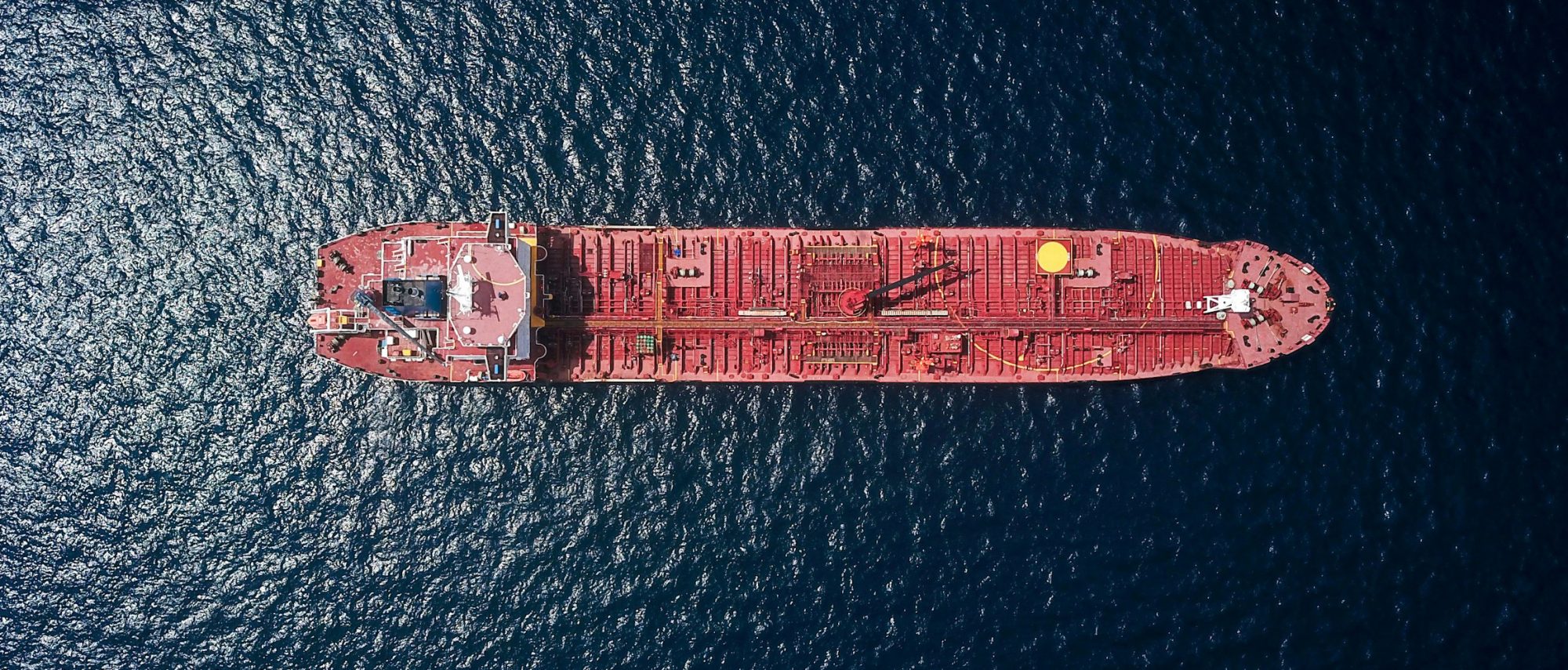
Booking all types of vessels are our profession …
Tejarat Ayandeh Jam co. as a well-known broker on market, can transport your cargo in safe and good time by own experiences and abilities.
Our services area is Persian gulf to other points all over the world. Also we focused on tankers and general cargo for oil/gas and petrochemical industries further steel and mine section. (Exclusively China, India, Singapore and North of Africa)
A tanker is a ship designed to transport or store liquids or gases in bulk
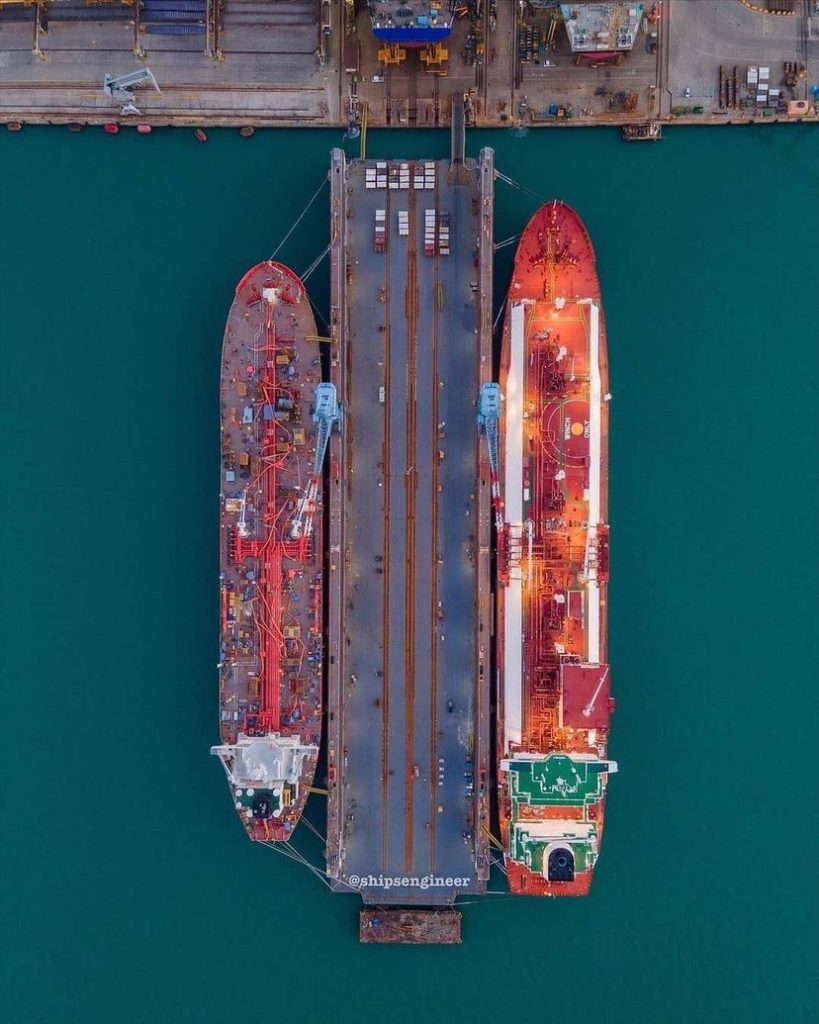 | 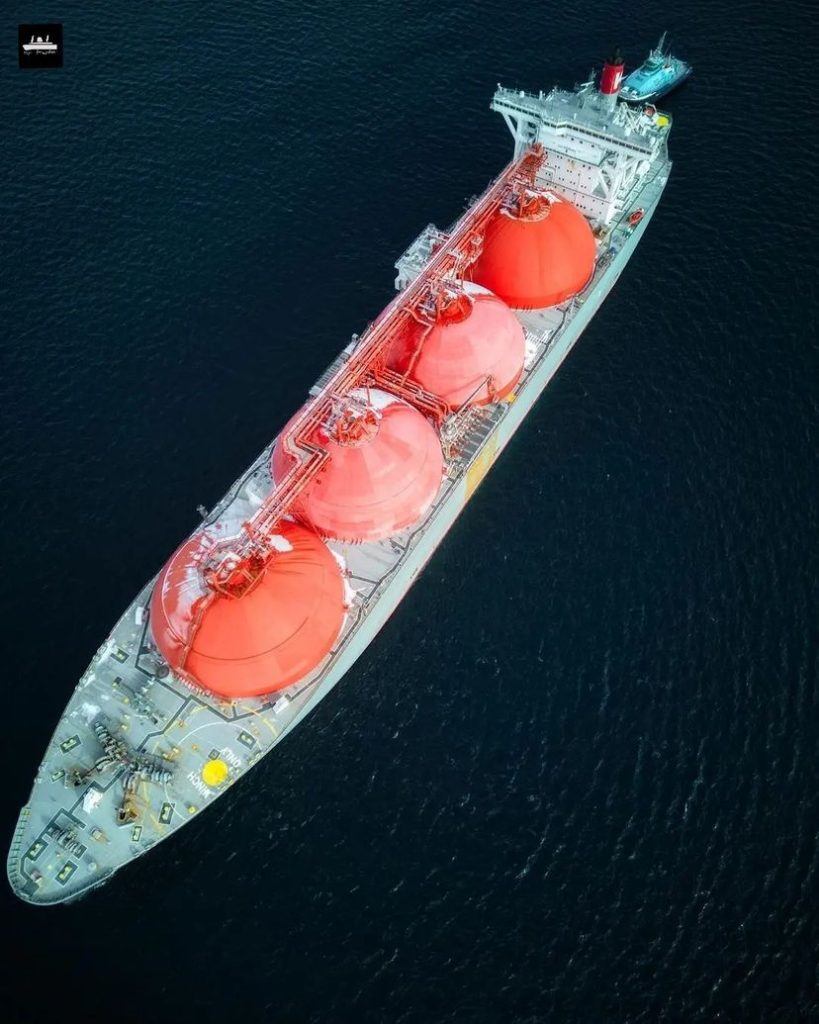 |
| Tanker | Gas Carrier |
|---|---|
| Panamax Tanker | Fully pressurized gas carrier |
| These vessels have a maximum size limit to fit through the Panama Canal. Typically, they have a carrying capacity of around 50,000 to 79,999 Gross Register Tons (GRT) or 70,000 to 120,000 deadweight tons (DWT). | most fully pressurised oceangoing LPG carriers are fitted with two or three horizontal, cylindrical or spherical cargo tanks and have typical capacities between 20,000 and 90,000 cubic meters and Length overall ranging from 140 m to 229 m . New LPG Carrier ships are designed for dual-fuel propulsion system possessing the ability to utilize LPG or diesel fuel on a selective basis |
| Aframax Tanker | Semi-pressurized ships |
| Aframax vessels are medium-sized tankers primarily used for transporting crude oil. They have a capacity of 80,000 to 119,999 GRT or 100,000 to 120,000 DWT. Their size restricts them from passing through the Suez Canal, limiting their trading areas. | These ships carried gases in a semi-pressurized/semi-refrigerated state.[4] This approach provides flexibility, as these carriers are able to load or discharge at both refrigerated and pressurized storage facilities. Semi-pressurized/semi-refrigerated carriers incorporate cylindrical, spherical or bi-lobe shaped tanks carrying propane at a pressure of 8.5 kg/cm2 (121 psi), and a temperature of −10 °C (14 °F). |
| Suezmax Tanker | Ethylene and gas/chemical carriers |
| These vessels are designed to fit through the Suez Canal. They have a capacity of 120,000 to 199,999 GRT or 120,000 to 200,000 DWT. Suezmax tankers are often used for long-haul crude oil transportation. | Ethylene carriers are the most sophisticated of the gas tankers and have the ability to carry not only most other liquefied gas cargoes but also ethylene at its atmospheric boiling point of −104 °C (−155 °F). These ships feature cylindrical, insulated, stainless steel cargo tanks able to accommodate cargoes up to a maximum specific gravity of 1.8 at temperatures ranging from a minimum of −104 °C to a maximum of +80 °C (176 °F) and at a maximum tank pressure of 4 bar. |
| Very Large Crude Carrier (VLCC) | Fully refrigerated ships |
| VLCCs are one of the largest tanker vessels, mainly used for transporting crude oil. They have a capacity of 200,000 to 319,999 GRT or 200,000 to 320,000 DWT. These ships are too large to pass through the Suez Canal and must use alternative routes. | fully refrigerated ships range in capacity from 20,000 to 100,000 m3 (710,000 to 3,530,000 cu ft). LPG carriers in the 50,000–80,000 m3 (1,800,000–2,800,000 cu ft) size range are often referred to as VLGCs (Very Large Gas Carriers). Although LNG carriers are often larger in terms of cubic capacity, this term is normally only applied to fully refrigerated LPG carriers. |
| Ultra Large Crude Carrier (ULCC) | Liquefied natural gas carriers |
| ULCCs hold the record for being the largest tanker vessels globally. These giants can carry up to 320,000+ GRT or 320,000+ DWT. However, due to their enormous size, their commercial viability has diminished, and only a few are currently in operation. | The majority of LNG carriers are between 125,000 and 135,000 m3 (4,400,000 and 4,800,000 cu ft) in capacity. In the modern fleet of LNG carriers, there is an interesting exception concerning ship size. This is the introduction of several smaller ships of between 18,000 and 19,000 m3 (640,000 and 670,000 cu ft) having been built in 1994 and later to service the needs of importers of smaller volumes. |
| Product Tanker | Compressed natural gas carriers |
| Product tankers are specifically designed for transporting refined petroleum products such as gasoline, diesel, and jet fuel. They come in various sizes, ranging from small coastal vessels to larger ones with capacities of 10,000 to 50,000 DWT. | Compressed natural gas (CNG) carrier ships are designed for transportation of natural gas under high pressure. CNG carrier technology relies on high pressure, typically over 250 bar (2900 psi), to increase the density of the gas and maximize the possible commercial payload. |
| Chemical Tanker | Other customized carriers |
| These tankers are built to transport a wide range of liquid chemicals. They have specialized cargo tanks and carry products such as acids, alcohols, and other hazardous chemicals. Similar to product tankers, chemical tankers vary in size, generally ranging from 10,000 to 40,000 DWT. | Other customized carriers |
It is important to note that the specific size and capacity of tanker vessels can vary among different shipyards and individual vessels. The mentioned sizes are rough estimations to give an idea of the general classification of tanker vessels.